Blog ·
Energy Efficiency Tips: Get More from Your HVAC System
Energy Efficiency Tips: Get More from Your HVAC System
Your HVAC system is likely one of the largest energy consumers in your home. Small adjustments to how you operate and maintain it can significantly reduce energy consumption and lower utility bills. Understanding these efficiency principles helps you make informed decisions about your comfort investments.
Optimize Your Thermostat Settings
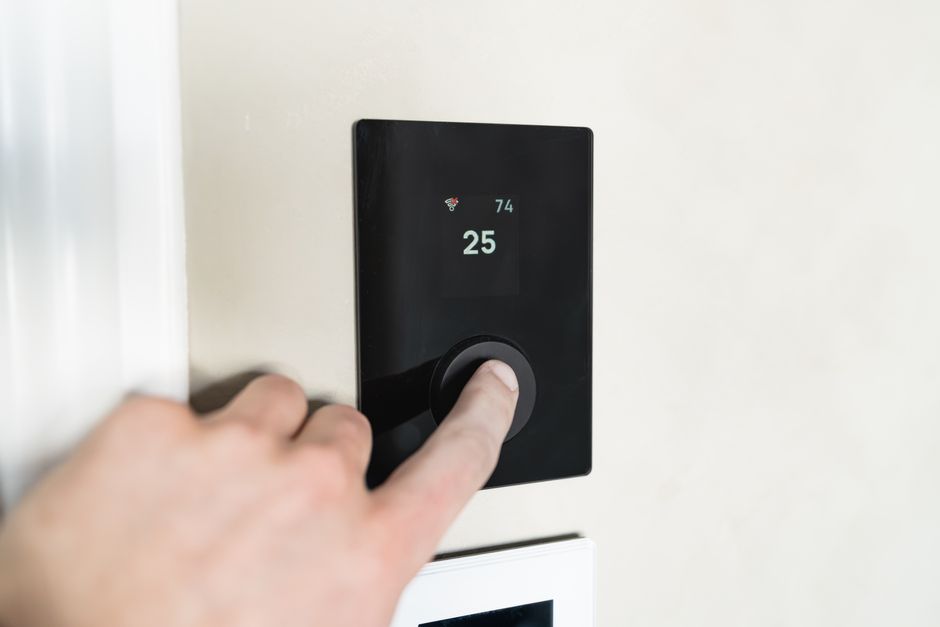
Your thermostat is the command center of your comfort. During heating season, set your temperature as low as comfortable—each degree lower can reduce heating costs by several percent. During cooling season, set temperatures slightly higher than preferred. When away for extended periods, adjust your thermostat by five to ten degrees to reduce operating time. Programmable and smart thermostats automate these adjustments, making efficiency effortless and maintaining schedules that match your lifestyle.
Maintain Clean Filters Regularly
A clogged air filter forces your system to work harder to push air through your home, wasting energy and reducing comfort. Check your filter monthly and replace it according to the manufacturer's recommendations—typically every one to three months. High-efficiency filters trap more particles but require more frequent replacement. Keeping filters clean is one of the simplest and most impactful efficiency measures available to homeowners.
Improve Home Insulation and Sealing
Even the most efficient HVAC system cannot maintain comfort in a poorly insulated home. Inspect weather stripping around doors and windows, and replace damaged sections. Seal gaps around pipes, ducts, and electrical outlets where air escapes. Proper attic insulation, caulking, and weatherization reduce the workload on your system significantly. These improvements pay dividends across heating and cooling seasons.
Schedule Professional Tune-Ups
A well-maintained system operates at peak efficiency. Professional technicians clean components, check refrigerant levels, test controls, and optimize performance. Annual maintenance before heating season and before cooling season keeps your system running efficiently. Many HVAC companies offer maintenance plans that include routine check-ups at discounted rates.
Manage Air Circulation
Keep supply and return vents clear of furniture, curtains, and other obstructions. Proper airflow reduces strain on your system. If some rooms are consistently uncomfortable, discuss zoning options with an HVAC professional. Zoning systems allow independent temperature control in different areas of your home, eliminating the need to condition spaces you don't use.
Consider System Upgrades
If your system is older than fifteen years, upgrading to modern, high-efficiency equipment may reduce energy consumption by twenty to forty percent. High-efficiency systems with variable-speed motors and advanced controls provide superior comfort while consuming less energy.
Clear Your Outdoor Condenser Unit
Your air conditioning system's outdoor condenser unit plays a critical role in heat rejection. When debris, leaves, grass clippings, and dirt accumulate around the outdoor unit, airflow becomes restricted, forcing the system to work harder to dissipate heat and reducing efficiency.
Regularly inspect the area surrounding your outdoor unit and remove any leaves, branches, and debris. Maintain at least two feet of clearance around all sides of the unit to allow proper airflow. Never allow plants or shrubs to grow directly against the condenser, as vegetation blocks ventilation.
If you notice visible dirt buildup on the unit's fins, gently spray them clean with a hose on low pressure—never use high pressure, as it can bend the delicate aluminum fins. Clear the condenser of obstructions during spring and fall, when debris is most likely to accumulate. This preventive maintenance significantly improves your system's ability to operate efficiently throughout the cooling season.